

Ayurvedic spine & Ortho Care Clinic -Bhiwandi Thane by Vaidya – Dr Sumit vishwakarma
What is Nadi Pariksha?
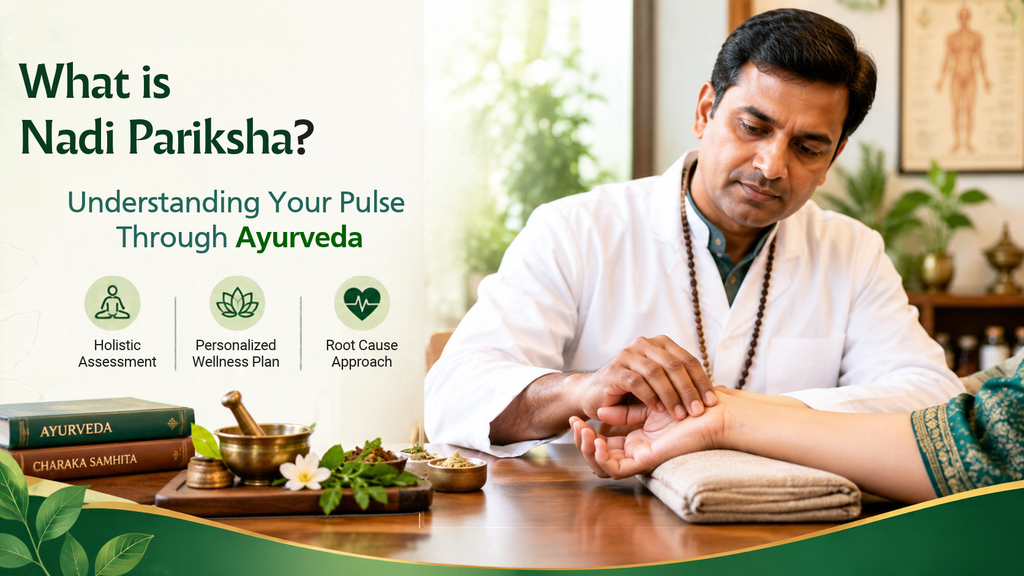
Nadi Pariksha is an age-old Ayurvedic method of pulse-based diagnostics. It can accurately diagnose illnesses as well as imbalances in the body, mind, and emotions. It is a non-invasive science that makes it possible to address health problems’ underlying causes rather than merely their symptoms.
Nadi Pariksha gives a deep insight into a patient’s body type (prakruti, classified under vata/ pitta/ kapha) and the various imbalances (vikruti) in the body and mind. At Ayurvedic spine & Ortho Care Clinic, we provide a holistic solution based on the person’s prakruti / vikruti and prescribes corrective lifestyle, diet, and suggest supportive wellness therapies. The diagnosis is non-invasive and does not require the use of medical equipment, machines etc.
Nadi Pariksha Is One Of Eight Examinations
Ashtavidha Pariksha lists eight things a Vaidya examines. The pulse is one:
1. Nadi: pulse
2. Mala: stool
3. Mutra: urine
4. Jihva: tongue
5. Shabda: voice and speech
6. Sparsha: touch and skin
7. Drik: eyes
8. Akriti: build and overall appearance
This matters for trust. A practitioner who offers a complete diagnosis from the pulse alone, with no questions about your symptoms, food, sleep, bowel habits or medical history, is not following the classical method.
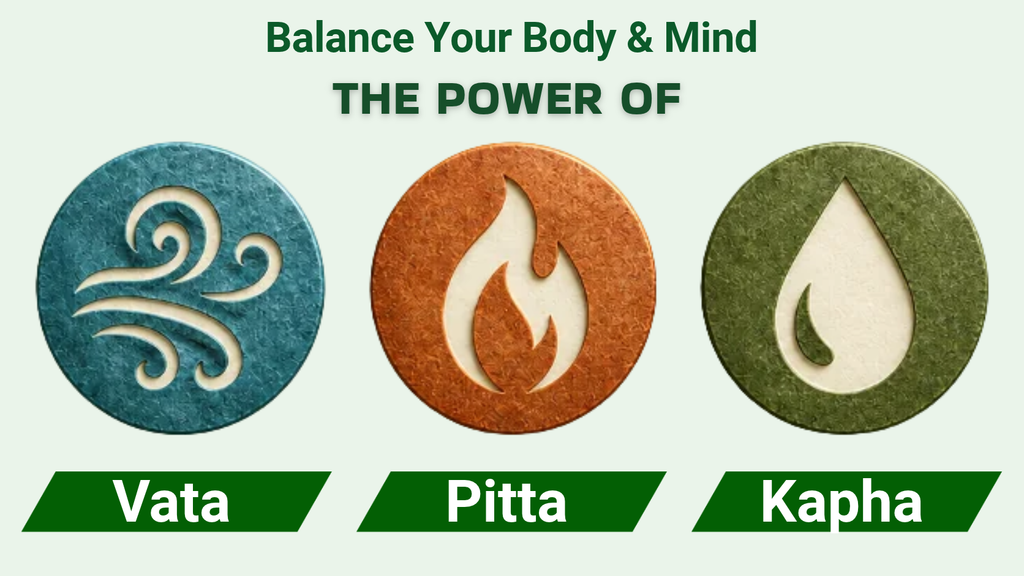
The practitioner notes the rate, rhythm, strength and quality of the pulse under each finger. Classical descriptions compare a Vata pulse to a snake’s movement, a Pitta pulse to a frog’s hop, and a Kapha pulse to a swan’s glide. These are teaching images from the tradition, not measurements.
What a good Nadi Pariksha consultation looks like
Use this as a checklist when choosing a clinic in Bhiwandi, Thane or Kalyan:
1) Questions first. Expect 10–20 minutes of history: symptoms, appetite, digestion, sleep, work pattern, past illnesses, current medicines.
2) The pulse is read calmly with the patient rested, and often rechecked.
3) Other examinations are included (tongue, abdomen, skin and so on).
4) The explanation is plain. You should leave understanding what the Vaidya found and why.
5) Modern tests are respected. You should be told when blood tests, an ECG, an ultrasound or a visit to a hospital is the right next step.
Reference of Nadi Vigyan- Ravan Samhita
- Bhavaprakash
- Sharangdhar
- Yogratnaka